
Spirit Airlines used to be an easy name for retail traders to understand. SAVE was a low-cost airline stock. It moved a lot, it had a recognizable brand, and for a while it looked like the kind of beaten-down name that could bounce if travel demand improved.
That trade is gone.
After bankruptcy, delisting, OTC trading, restructuring stress and later shutdown headlines, Spirit is no longer a normal airline recovery story. It has become a reminder of how dangerous distressed stocks can be when traders focus on the ticker and ignore the legal structure underneath it.
With SAVE and SAVEQ, the question was never just, “Can the stock bounce?” The real question was, “Does the common equity still have any value left?” That is a very different trade.
SAVE Was Not Just “Too Cheap”
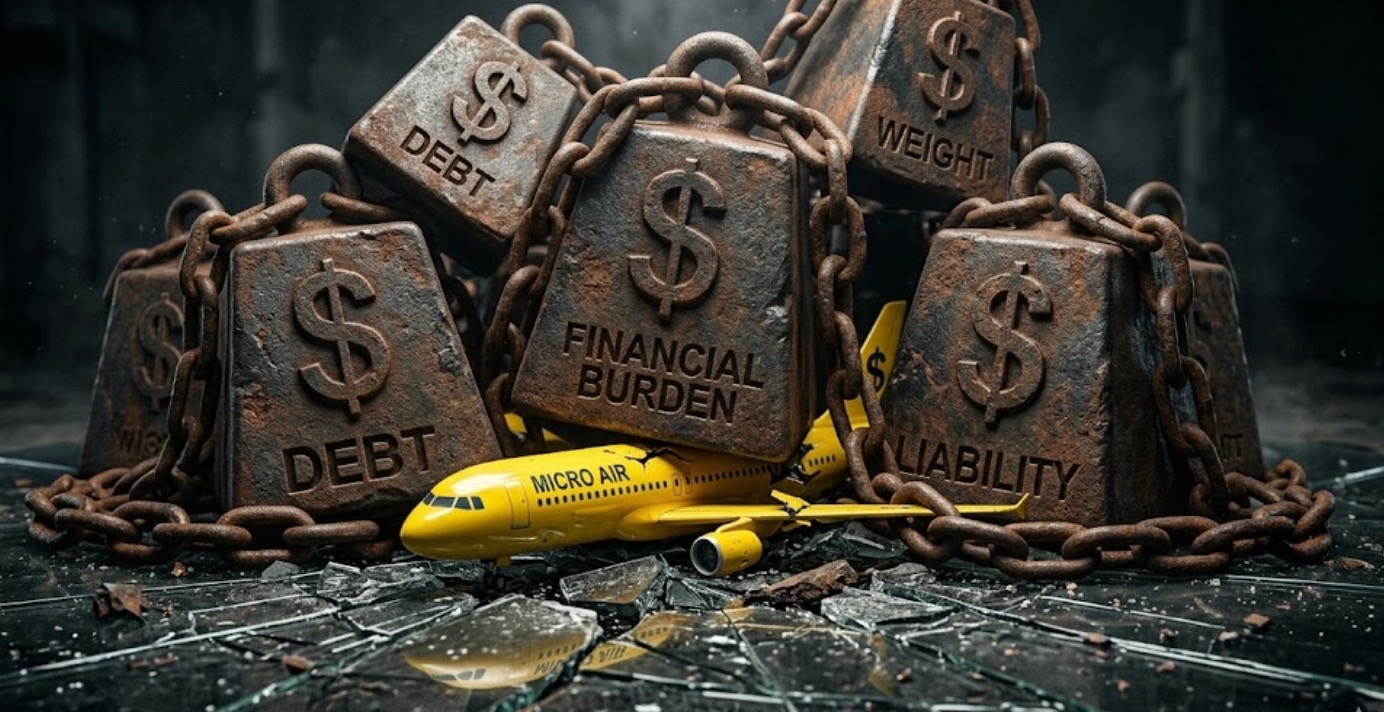
A falling stock price always attracts attention. When the company is familiar, the temptation is even stronger. Traders see a name they know, a chart that has collapsed, and a price that looks “too low.” The instinct is to think: if this company survives, the stock could rip.
That logic can work in normal turnarounds. But Spirit was not dealing with a normal rough patch. The airline had too many pressures hitting at once: debt, fuel costs, aircraft expenses, labor costs, fierce competition and a low-margin business model that left little room for mistakes.
Airlines are already difficult businesses. They need high utilization, stable demand, manageable fuel costs and constant access to financing. When those pieces start breaking at the same time, common equity can lose value very quickly.
That is what happened to Spirit. The stock did not just become cheap. It became distressed.
Bankruptcy Changes What the Stock Represents
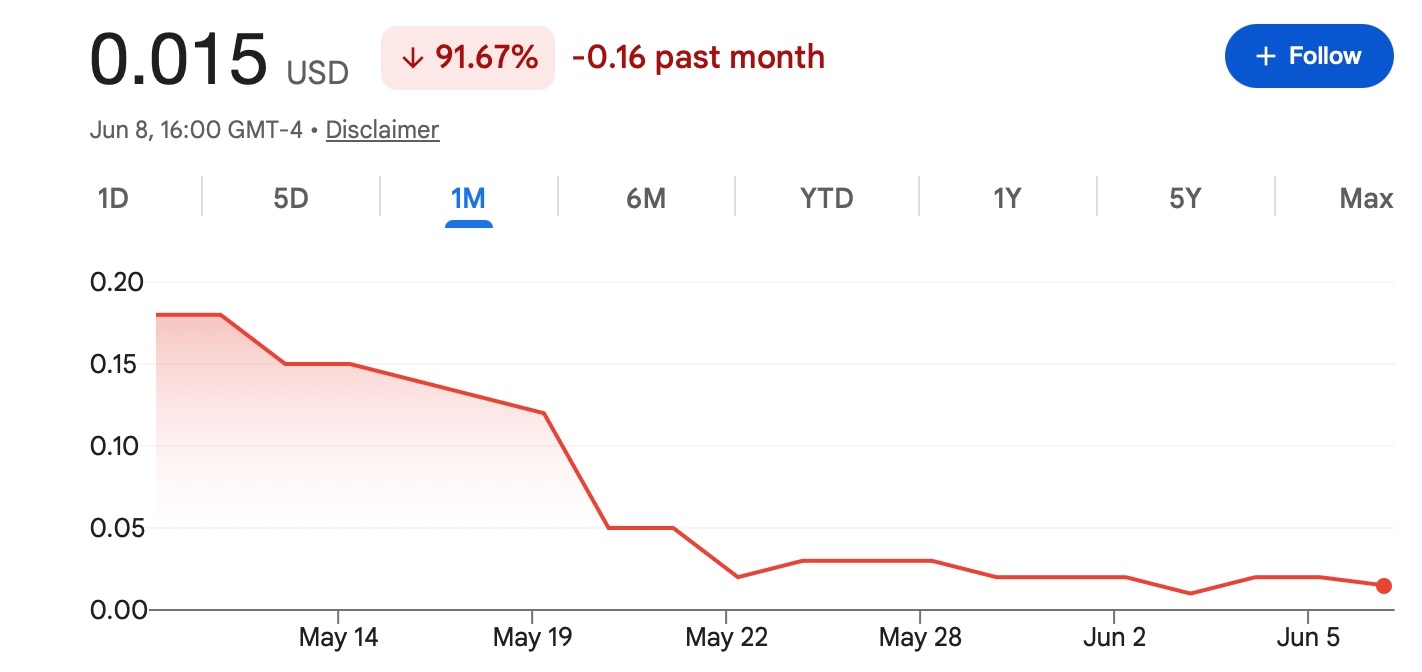
When a company files for bankruptcy, the stock does not automatically become a bargain. In many cases, it becomes a claim sitting at the bottom of the capital structure.
Creditors come first. Aircraft lessors, lenders, vendors, bondholders and other claimants usually stand ahead of common shareholders.
Common equity is last.That means the company can continue operating, hold court hearings, negotiate financing, and still leave old shareholders with nothing.
A ticker can keep trading even when the recovery value for common shareholders is close to zero. The chart may still move. Message boards may still be active. Traders may still chase intraday spikes.
But the legal claim may already be badly damaged. That is the risk with bankruptcy equity.
SAVEQ Was Not a Cleaner Version of SAVE
When a bankrupt stock moves to the OTC market and adds a “Q,” some traders treat it like a casino ticket. The price is low. The brand is known. The percentage moves can be huge.
But SAVEQ was not simply “Spirit stock at a discount.” It was a distressed security tied to a bankruptcy process. That means court filings mattered more than technical levels. Restructuring terms mattered more than old price targets. Creditor recovery mattered more than retail sentiment.
This is why bankruptcy stocks can be so misleading.
They can jump 30%, 50%, even 100% in a short squeeze or rumor-driven move. But if the final restructuring plan cancels old equity, those rallies may not change the end result.
A bounce is not the same as recovery.
The Shutdown Headlines Made the Lesson Harder to Ignore
Spirit’s later shutdown and flight cancellation headlines made the risk clear. At that point, investors were no longer looking at a struggling airline with a simple turnaround path. They were looking at a business that had already been through restructuring stress and still could not stabilize.
Passengers were focused on refunds. Creditors were focused on recovery. Shareholders were left asking whether anything remained after everyone else was paid first. That is the brutal part of distressed equity.
The public brand can still be recognizable, but the stock can already be structurally impaired.
Why This Matters Beyond Airlines
Spirit is an airline story, but the lesson applies across markets.
Crypto traders should understand it too. A collapsed asset can always look tempting. The chart is down, the price is low, and the upside looks huge if sentiment turns. But the first question should never be only, “Can it bounce?”
The better question is: “What do I actually own?” In crypto, that might mean checking liquidity, token permissions, treasury risk or protocol health. In distressed stocks, it means reading the capital structure, court filings and equity cancellation language.
Spirit shows why that matters. A bankrupt stock can still trade, but the legal rights behind that trade may be fading fast.
What Traders Should Check in Similar Situations
When a familiar stock collapses, the first thing to check is not the RSI or the old analyst target.
-
Check whether the company has filed for bankruptcy.
-
Check whether the stock has been delisted.
-
Check whether it now trades OTC.
-
Check whether management or court documents say existing equity may be cancelled.
-
Check who sits ahead of common shareholders.
-
Check whether there is enough liquidity to exit.
If the answers look bad, the stock may still move, but it should not be treated like a normal recovery trade.
Bottom Line
Spirit Airlines stock is no longer the SAVE story many investors remember. It became a bankruptcy case, then an OTC speculation story, and eventually a warning about what happens when a leveraged business cannot survive repeated operating shocks.
The big lesson is simple.
A familiar company name does not protect common shareholders. A low stock price does not guarantee upside. A ticker that still trades does not mean the equity still has value.
With distressed stocks like SAVE or SAVEQ, the chart may create excitement, but the capital structure tells the truth. Before chasing a collapsed ticker, traders need to know whether they are buying a real recovery claim — or just the last tradable piece of an equity that may already be wiped out.
Traders can follow more market updates on Tapbit, log in, or register to stay connected with global market opportunities.
Frequently Asked Questions (FAQ)
What happened to Spirit Airlines stock?
Spirit Airlines stock moved from being a normal listed airline stock into a distressed bankruptcy-related equity situation. After bankruptcy filings, delisting, OTC trading and later shutdown headlines, the old SAVE story became a capital-structure risk case rather than a simple airline recovery trade.
What was SAVE?
SAVE was the former NYSE ticker for Spirit Airlines common stock. After Spirit entered bankruptcy proceedings, the stock was suspended from NYSE trading and became part of a distressed equity process.
What was SAVEQ?
SAVEQ referred to Spirit Airlines shares trading over the counter after the NYSE suspension. The “Q” usually signals a company is in bankruptcy. OTC bankruptcy stocks can still trade, but they carry extreme risk.


