
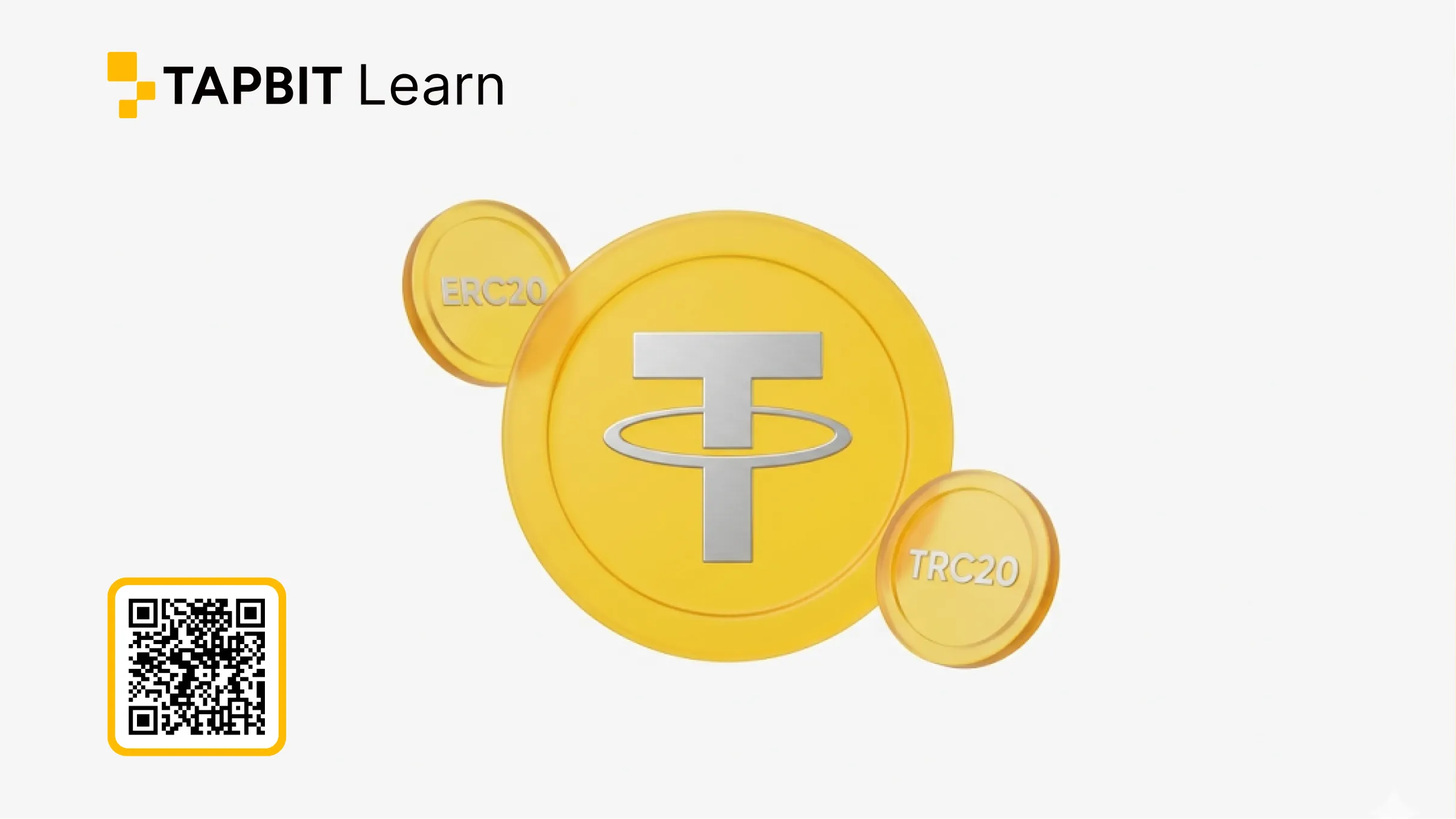
How to Tell If Your USDT Is ERC20 or TRC20
USDT has become one of the most widely used tools for traders and investors, mainly because it is pegged 1:1 to the US dollar, making it relatively stable and easy to use. However, as USDT has been issued across multiple blockchains, two of the most common versions today are ERC20 (on Ethereum) and TRC20 (on TRON).
Understanding which type of USDT you hold is essential for choosing the correct network, avoiding transfer errors, and managing transaction fees efficiently.
Why Does USDT Exist on Multiple Chains?
USDT is a stablecoin issued by Tether. It was originally launched on Bitcoin’s Omni layer. As demand grew for faster transactions, lower fees, and better compatibility, Tether expanded USDT to other blockchains such as Ethereum and TRON.
This led to the creation of:
-
ERC20 USDT (Ethereum-based)
-
TRC20 USDT (TRON-based)
Although both represent the same asset (USDT), they operate on different networks. Choosing the wrong network during a transfer can lead to complications or additional recovery costs.
What Is ERC20 USDT?
Ethereum-Based Stablecoin
ERC20 USDT is issued on Ethereum and follows the ERC20 token standard, making it compatible with most Ethereum wallets, DeFi protocols, and exchanges.
Advantages
-
Wide ecosystem support: Supported by most exchanges, DeFi platforms, and Web3 apps
-
Smart contract compatibility: Easy to use in lending, staking, and liquidity mining
-
Standardization: Consistent behavior across wallets and applications
Disadvantages
-
Higher fees: Gas fees on Ethereum can become expensive during congestion
-
Slower transactions: Network congestion may delay confirmations
What Is TRC20 USDT?
TRON-Based Stablecoin
TRC20 USDT is issued on TRON and follows the TRC20 standard. TRON is designed for high throughput and low-cost transactions.
Advantages
-
Fast transactions: Quick confirmation times
-
Low fees: Much cheaper than Ethereum
-
Cost efficiency: Ideal for frequent transfers and small payments
Disadvantages
-
Smaller ecosystem: Fewer DeFi and NFT applications compared to Ethereum
-
Limited compatibility: Some platforms only support ERC20
How to Identify Whether Your USDT Is ERC20 or TRC20
Before making a transfer, always verify the network. Here are three simple ways:
1. Check the Wallet Address Format
|
Network |
Address Format |
|
ERC20 (Ethereum) |
Starts with 0x, followed by 40 hexadecimal characters |
|
TRC20 (TRON) |
Starts with uppercase T, followed by alphanumeric characters |
2. Check Transaction History and Fees
-
Ethereum transactions use ETH as gas and include fields like gas price and gas limit
-
TRON transactions use bandwidth and energy, with very low fees
You can also verify a transaction using a blockchain explorer:
-
Etherscan for Ethereum
-
Tronscan for TRON
3. Check Exchange or Platform Prompts
Most centralized exchanges clearly label supported networks:
-
USDT-ERC20
-
USDT-TRC20
They also provide warnings such as “Do not transfer across networks.” Always double-check before sending funds.
When Should You Use ERC20 vs TRC20?
ERC20 USDT is better if you:
-
Use DeFi, NFTs, or DApps on Ethereum
-
Need advanced on-chain interactions
-
Value ecosystem depth over fees
TRC20 USDT is better if you:
-
Frequently transfer funds between exchanges
-
Want to minimize fees
-
Need fast and low-cost transactions
Many active users hold both versions and choose depending on the situation.
The Future of Stablecoins: Multi-Chain and Beyond
The difference between ERC20 and TRC20 reflects broader trade-offs in blockchain design:
-
Ethereum excels in programmability and ecosystem depth
-
TRON focuses on efficiency and low costs
Meanwhile, cross-chain bridges and interoperability solutions are improving, making it easier to move assets across networks. In the future, users may not need to worry about underlying chains—but for now, understanding your USDT network remains essential for security and cost control.
Final Notes
Before transferring USDT:
-
Double-check the network
-
Use a small test transaction if unsure
-
Follow platform instructions carefully
Important clarification: Sending to the wrong network does not always mean permanent loss:
-
Some transfers fail outright due to incompatible address formats
-
Centralized exchanges may help recover funds (sometimes with a fee)
-
Decentralized wallets usually make recovery much harder
If you are ready to apply this knowledge in your own trading, you can create an account, explore different networks, and structure your stablecoin usage according to your speed, cost, and integration priorities. High-volume traders who actively move capital between networks may also benefit from reviewing the platform’s trading fees and available VIP tier advantages to optimize their overall costs.
Tapbit maintains a strong focus on security and transparency, supported by an independently verifiable proof of reserves framework. As you work with ERC20 and TRC20 USDT, this foundation helps ensure that network decisions are matched by robust asset protection.
To begin your journey with stablecoins and multi-chain assets on Tapbit, start trading today and explore how different USDT networks can support your broader digital asset strategy.
FAQ
What is the difference between ERC20 and TRC20 USDT?
ERC20 USDT runs on Ethereum and offers strong ecosystem support but higher fees, while TRC20 USDT runs on TRON with faster and cheaper transactions but a smaller ecosystem.
Can I send ERC20 USDT to a TRC20 address?
No. In most cases, the transaction will fail due to incompatible address formats. If it goes through on the wrong network, recovery may be difficult or require support from the receiving platform.
Which USDT network has lower fees?
TRC20 USDT generally has significantly lower transaction fees compared to ERC20.
How can I check which USDT I have?
You can check:
-
Wallet address format
-
Transaction history
-
Blockchain explorer results
-
Exchange network labels
Is ERC20 USDT safer than TRC20?
Both are secure if used correctly. ERC20 benefits from Ethereum’s mature ecosystem, while TRC20 offers efficiency. Safety mainly depends on choosing the correct network and platform.
Do exchanges support both ERC20 and TRC20?
Most major exchanges support both, but not all. Always confirm the supported network before depositing or withdrawing USDT.


