

If you trade crypto derivatives long enough, you will eventually have to navigate a margin call. In the retail trading space, liquidation is often misunderstood as a penalty or an exchange malfunction. From an institutional standpoint, it is simply a mathematical circuit breaker designed to keep the overarching trading ecosystem solvent.
When you trade with leverage on Tapbit, you are essentially borrowing capital to amplify your position size. Because exchanges act as neutral matching engines rather than counterparties, they must guarantee that the winning side of a trade always gets paid.
Here is a technical breakdown of how the liquidation engine evaluates your risk, the structural differences between margin modes, and how professional traders build defenses around their capital.
The Trigger: Maintenance Margin and Mark Price
Liquidation is not triggered arbitrarily. It is executed the millisecond your account equity falls below a strict mathematical threshold known as the Maintenance Margin Rate.
When your unrealized losses consume your initial margin to the point where only the maintenance margin remains, the risk engine forcibly takes over your position to close it out before your account goes into negative equity.
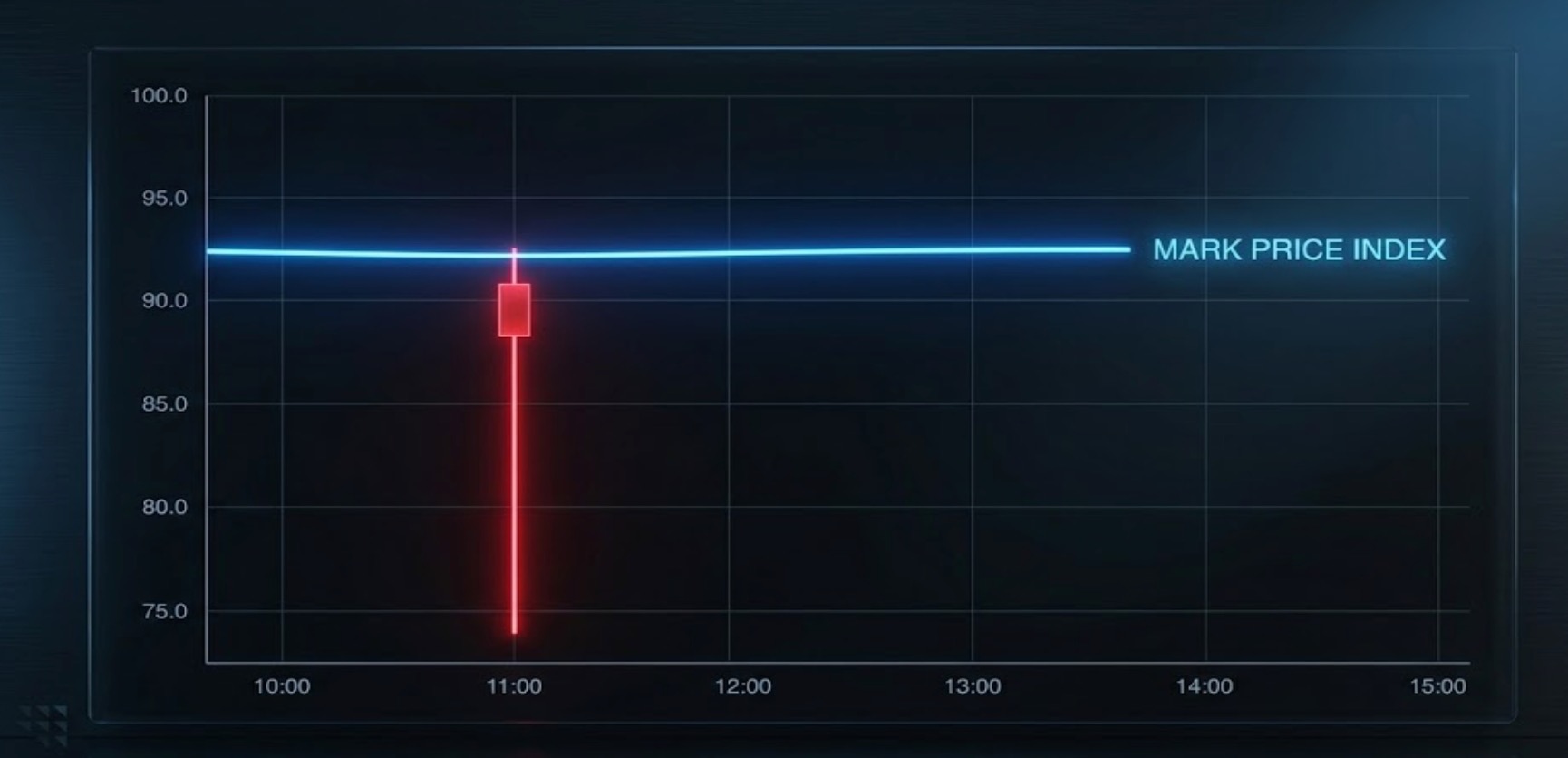
The Mark Price Dependency: A critical concept that separates professional platforms from basic exchanges is how price is measured. Tapbit's liquidation engine does not look at the "Last Traded Price" on the local order book. Instead, it relies on the Mark Price—a robust, volume-weighted index derived from multiple major spot exchanges.
This mechanism protects your positions from local liquidity gaps or "scam wicks." If a massive market sell order temporarily crashes the local order book for two seconds, but the global spot market remains stable, your position will not be liquidated.
Capital Allocation: Isolated vs. Cross Margin
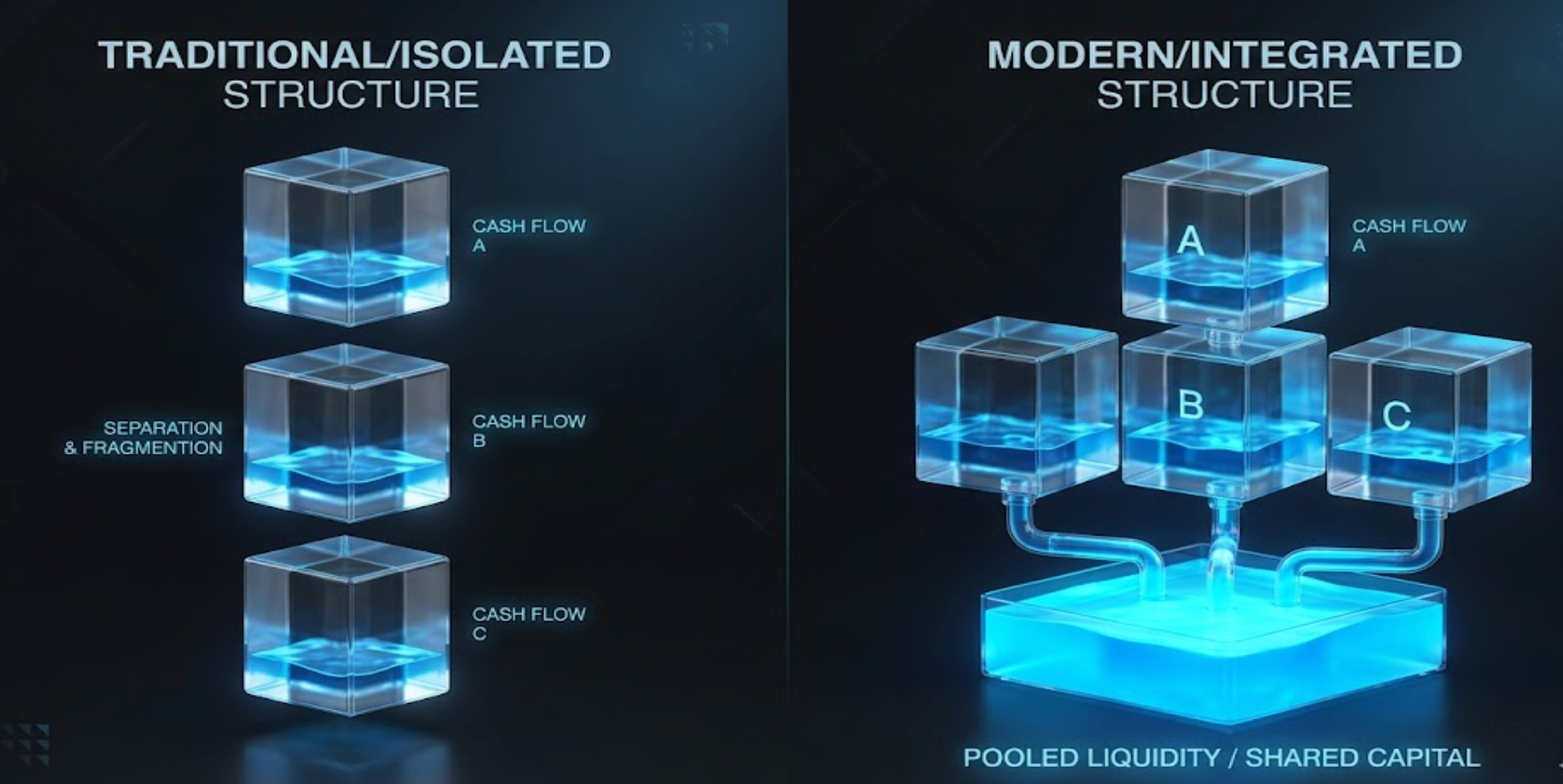
How a liquidation impacts your portfolio depends entirely on how you architect your margin structure before entering the trade.
Isolated Margin: Compartmentalized Risk
In Isolated Margin mode, the collateral backing a specific trade is strictly ring-fenced.
-
The Mechanic: If you allocate $1,000 to an Ethereum long position, your absolute maximum loss is capped at that $1,000.
-
The Trade-off: While this completely protects your broader account balance, it results in poor capital efficiency. The liquidation price is much closer to your entry price because the position cannot draw on your excess cash to survive a temporary drawdown. This mode is typically used for high-conviction, single-directional speculative bets.
Cross Margin: The Shared Liquidity Pool
In Cross Margin mode, all open positions share the total available collateral in your futures wallet.
-
The Mechanic: If you have a drawdown on a Bitcoin long, but your account holds $10,000 in idle stablecoins or unrealized profits from a short position, the engine will use that shared equity to absorb the loss, pushing the liquidation price significantly further away.
-
The Trade-off: This is the preferred mode for institutional hedgers managing delta-neutral portfolios. However, it requires rigorous risk oversight. A single neglected, out-of-control losing position can drain the entire shared pool, triggering a catastrophic cascading liquidation of all your open trades simultaneously.
Inside the Execution: How the Engine Closes Your Trade
When the maintenance margin threshold is breached, the Tapbit risk engine does not blindly dump your entire position via a market order. Doing so could severely impact the order book and cause unnecessary slippage. Instead, it follows a tiered execution protocol:
-
Liquidity Free-up: The engine immediately cancels any open, unfilled orders tied to that specific trading pair to unfreeze your pending margin.
-
Laddered Deleveraging: If you are managing a large-size position, the engine will attempt a partial liquidation. By closing only a fraction of your position, it lowers your margin tier requirements. If this partial closure restores your account's margin ratio to a compliant level, the liquidation sequence halts.
-
Bankruptcy Takeover: If partial deleveraging fails, the engine assumes total control of the position at the calculated "Bankruptcy Price" (the exact price where your allocated margin hits zero).
-
The Insurance Fund Backstop: If extreme market volatility causes the engine to execute the closure at a price worse than the bankruptcy price, the Tapbit Insurance Fund absorbs the deficit. This ensures your account balance never goes sub-zero and you never owe the exchange money.
Professional Margin Defense
Surviving highly volatile market regimes requires moving away from reactive trading and adopting proactive margin defense.
-
Invalidation Points vs. Liquidation Prices: Never allow the exchange's liquidation price to serve as your stop-loss. Professional traders define a structural "invalidation point" on the chart. If the price reaches that level, the trade thesis is wrong, and the position is closed via a hard Stop-Loss order well before the liquidation engine ever gets involved.
-
Dynamic Leverage Scaling: Leverage dictates the breathing room your trade has. A 50x leverage position will be liquidated after a mere ~1.5% adverse price move. Size your positions so that your actual effective leverage rarely exceeds 5x to 10x, allowing you to absorb standard intraday volatility without stress.
If you are ready to implement these risk parameters in a live environment, navigate to the Tapbit Futures Market to execute your strategy with deep liquidity and reliable execution.
Frequently Asked Questions (FAQ)
Why was my position liquidated when the candlestick chart didn't touch my liquidation price?
Candlestick charts typically display the "Last Traded Price." However, liquidations are strictly triggered by the "Mark Price" (an index of global spot prices) to prevent market manipulation. In periods of high volatility, the Mark Price and the Last Traded Price can momentarily diverge.
Can I prevent a liquidation once the process has started?
No. Once your margin ratio falls below the maintenance requirement, the risk engine takes automated control. The process is instantaneous and irreversible. To prevent it, you must actively manage the position before the threshold is breached by depositing additional margin, reducing your position size, or lowering your leverage.
What happens to the remaining margin if my position is liquidated?
When the engine takes over your position at the bankruptcy price, it attempts to offload it on the open market. If the engine manages to execute the order at a better price than the bankruptcy price, the residual funds are not returned to the user; they are injected directly into the platform's Insurance Fund to cover deficits from other trades during extreme market crash events.


