
A hardware wallet keeps private keys away from an internet-connected device — a critical protection that only works if the wallet generates those keys correctly from the beginning.
The Coldcard bug disclosed in July 2026 exposed a failure at that starting point. A firmware error caused affected devices to produce wallet seeds with significantly less randomness than intended. Attackers didn't need the physical device or a transaction intercept — a sufficiently predictable seed could allow them to reconstruct keys elsewhere.
For Bitcoin users, the incident carries an uncomfortable lesson: an offline wallet is only as secure as the secret it creates at setup, and that secret can be flawed before the first transaction is ever signed.
What Happened to Coldcard Wallets?

Reports of unauthorized Bitcoin transfers emerged at the end of July. One widely examined cluster involved roughly 594.5 BTC moving from about 500 addresses over a short period. Later estimates expanded as researchers identified additional transactions, but the final loss total and attribution remain unsettled.
The investigation found a problem in Coldcard’s seed-generation process. Instead of consistently drawing randomness from the device’s hardware random number generator, affected firmware could fall back to a software-based generator initialized with information that was more predictable than a secure wallet seed should be.
That did not make every seed immediately visible. An attacker still needed to search through possible inputs and identify addresses containing funds. But the search space was far smaller than the security level users expected from a Bitcoin hardware wallet.
Bitcoin Optech’s incident analysis described the weakness as severe and advised potentially affected users to move funds to wallets created with unaffected software or hardware.
The Problem Began When the Seed Was Created
A Bitcoin wallet does not hold coins inside the device. It holds the private keys needed to authorize transactions. Those keys are derived from the recovery seed generated during setup.
A secure seed must be unpredictable. If the randomness behind it is strong, guessing the seed is practically impossible. If that randomness is weakened, the words may still look normal while representing far fewer possible combinations than expected.
This is why the Coldcard incident was especially dangerous. Nothing on the screen necessarily told users that their seed had been created with insufficient entropy. The wallet could receive Bitcoin, display addresses and sign transactions normally.
The weakness was already embedded in the wallet’s foundation.
Which Coldcard Versions Were Affected?
The scope expanded as the investigation continued. Early reporting focused on the Mk3, but current guidance covers affected versions across several Coldcard models and release tracks.
Coldcard lists the following minimum fixed releases:
-
Mk2 and Mk3: version 4.2.0 or later
-
Mk4 and Mk5 standard firmware: version 5.6.0 or later
-
Q standard firmware: version 1.5.0Q or later
-
Mk4 and Mk5 Edge firmware: version 6.6.0X or later
-
Q Edge firmware: version 6.6.0QX or later
The currently recommended standard releases are version 5.6.1 for Mk4 and Mk5 and version 1.5.1Q for the Q model. Users should check the latest information on the official Coldcard security status page, as security guidance can change.
The relevant version is the firmware used when the seed was generated. Installing a patched version today does not add randomness to a seed created years ago.
A Firmware Update Is Not a Seed Migration
Updated firmware corrects the process used to generate future secrets. It does not alter an existing recovery phrase or the private keys derived from it. A wallet with a potentially affected seed can therefore remain exposed after the device has been updated.
Coldcard advises affected users to follow its official migration process. That involves creating a new seed under fixed conditions, verifying the new wallet and moving funds through an on-chain Bitcoin transaction.
Users should not type their old seed into a website, online checker or unsolicited support form. Security incidents often attract phishing campaigns that imitate wallet manufacturers and offer fake “verification” or “recovery” services.
A small test transaction and careful address verification can reduce operational mistakes during migration. The complete process should be taken from Coldcard’s official guidance rather than social-media instructions.
Did a Passphrase Protect Affected Wallets?
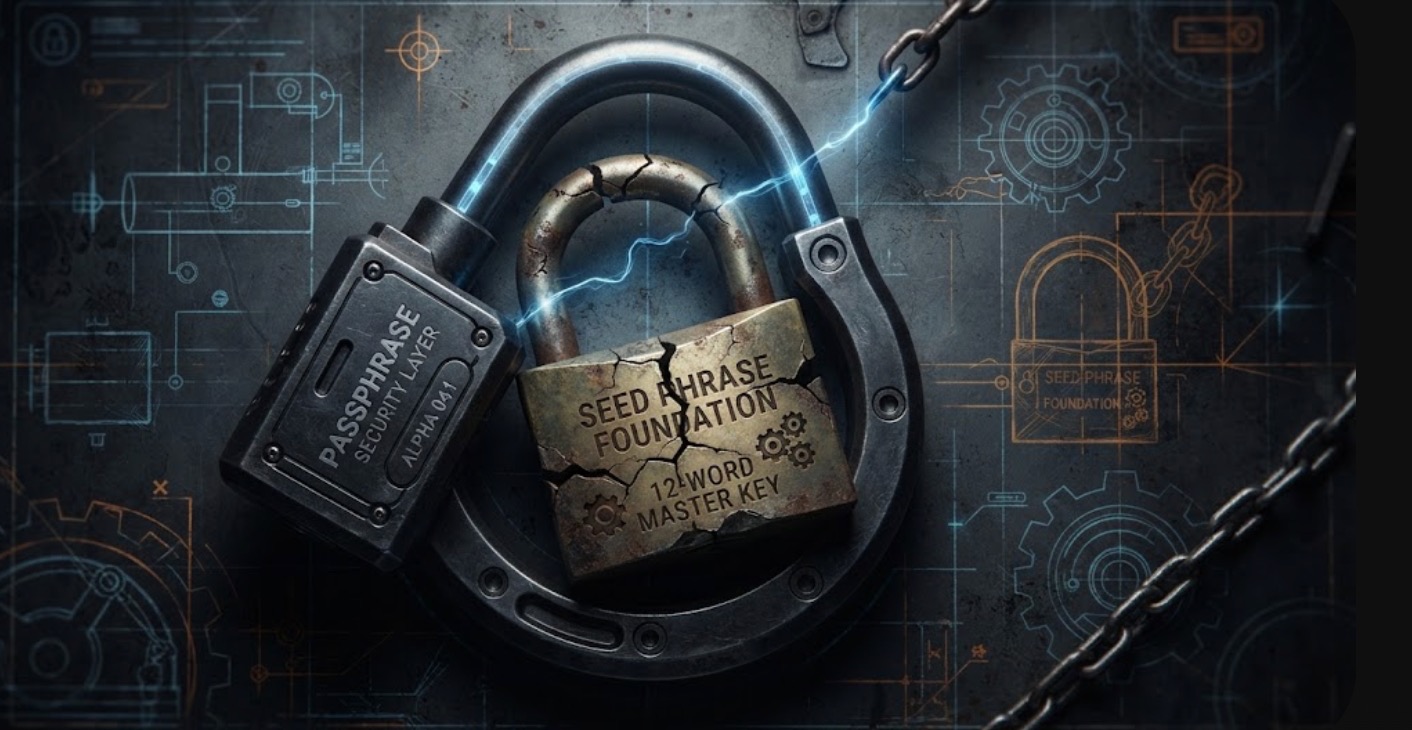
A strong, unique BIP-39 passphrase may add another barrier because it creates a different wallet on top of the underlying seed. However, Coldcard’s current guidance says a passphrase does not repair an affected seed.
Its protection also depends on strength. A short or commonly used passphrase may provide little resistance to an attacker already searching candidate seeds.
Users who added sufficient independent dice-generated entropy may fall under a specific exception in the advisory. Coldcard defines conditions for that exception, including at least 50 fair, private and independently recorded dice rolls. Anyone uncertain about how a seed was generated should not assume the exception applies.
What Coldcard Changed After the Incident
Coldcard released patched firmware and added further controls to the seed-generation process. New standard-wallet setup now combines fresh device entropy with a required source of user input, such as unpredictable keypad timing, physical dice rolls or coin flips.
The company has also published evidence from targeted independent checks. Reviewers confirmed that fixed firmware reaches the hardware random number generator and that build controls prevent the incorrect software fallback from being linked again.
These checks support specific parts of the repair. They are not a guarantee that every firmware component has undergone a complete independent audit or that no future defect is possible. Coldcard itself makes that limitation clear in its current disclosure.
The Seed Comes Before the Device
The Coldcard incident began with a small implementation mistake, but its consequences reached the most sensitive part of a Bitcoin wallet.
A hardware wallet can isolate a private key. It cannot retroactively strengthen a predictable key.
For affected users, the practical question is therefore not whether the device has been updated. It is whether the current wallet was created using an affected seed-generation process. If the answer is yes or uncertain, the official migration guidance matters more than the firmware version now shown on the screen.
Tapbit publishes further coverage of Bitcoin security, self-custody and digital asset markets through the Tapbit Academy. Users returning to the platform can log in, while new users can register here.
Frequently Asked Questions
What was the Coldcard hardware wallet bug?
The bug affected how certain Coldcard firmware versions generated random wallet secrets. A software random-number process could be used instead of the intended hardware source, leaving some seeds with less entropy than expected.
Were all Coldcard wallets affected?
No. Risk depends on the model, firmware release and how the seed was originally generated. Users should compare their setup with Coldcard’s current official advisory rather than relying on the device model alone.
Does updating Coldcard firmware protect an existing wallet?
Updating fixes future seed generation but does not repair an existing seed. A potentially affected wallet must be assessed and, where required, migrated to a newly generated seed.


